
Reverse your biological age. Rebalance your body. With Cenegenics Jacksonville, you can look, feel, and perform better than you have in years.
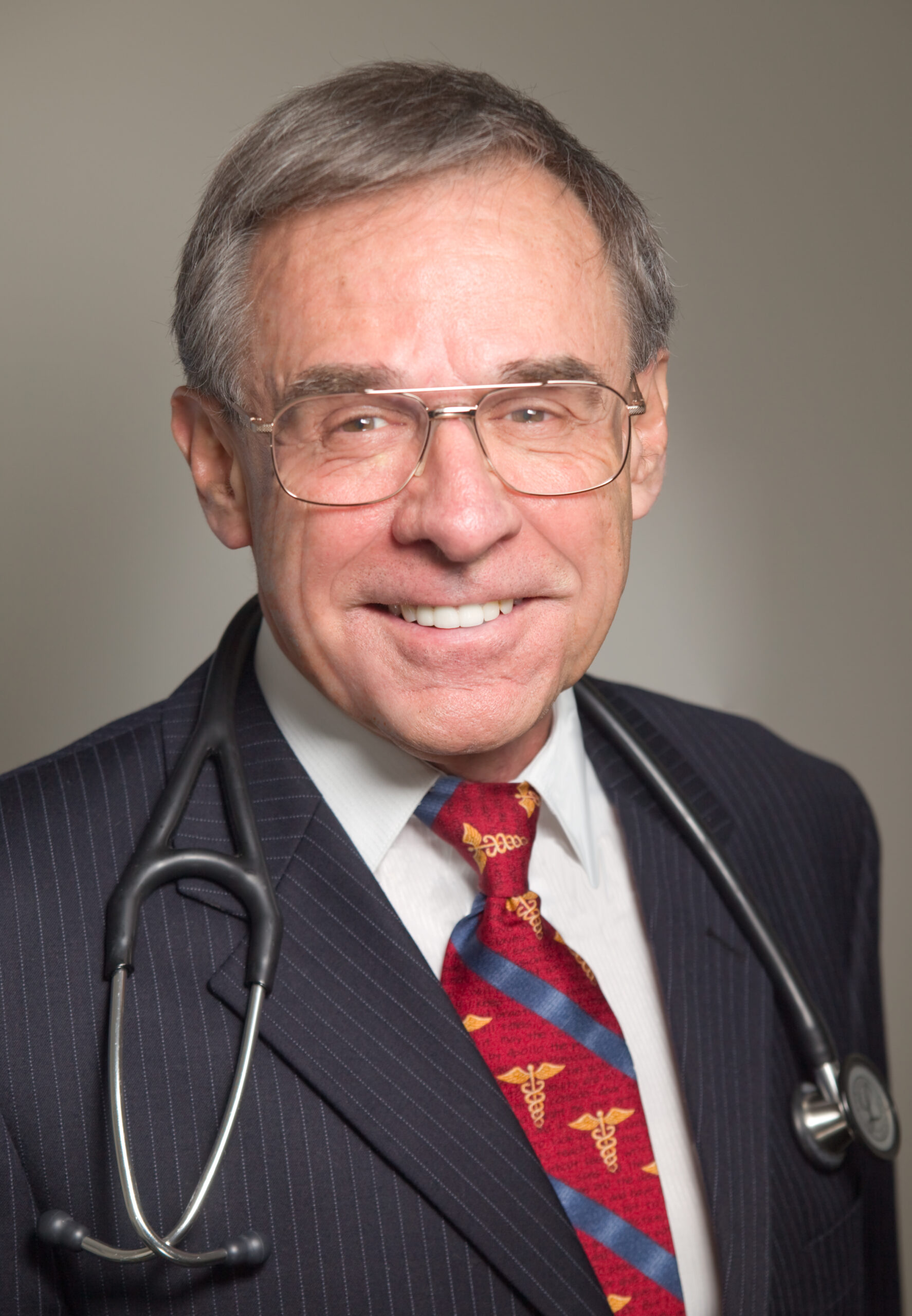
Dr. Earl Eye has practiced medicine for 40 years in Jacksonville and Atlanta and is board certified in five medical specialties, including advanced training in Age-Management medicine. He graduated Magna Cum Laude from the West Virginia University School of Medicine and completed his Internal Medicine residency at the University of Florida. He went on to earn fellowships in Infectious Diseases, Pulmonary Diseases, and Critical Care. From 1973 to 2008 he was the senior partner of a 6-physician private practice and holds privileges at nine area hospitals, where he made rounds. He also taught as an associate professor at the University of Florida. Currently, Dr. Eye is the President and Chief Medical Officer of Cenegenics Jacksonville and a Partner at Cenegenics Atlanta. He is also an Institute Physician at Cenegenics’ corporate headquarters in Las Vegas, NV.
During his career, Dr. Eye became increasingly discontented with the current medical model’s fix-it-when-it’s-broken, disease-focused approach. In 2004, he transitioned out of conventional medicine and into preventative medicine. His current practice offers comprehensive, individualized, precision medicine and concierge service to help men and women live healthier, more vibrant lives. This consists of a blend of hormone optimization, nutraceutical supplementation, and advanced exercise and nutrition counseling.
Most recently, Dr. Eye has added an erectile dysfunction treatment procedure to his Jacksonville and Atlanta practices to help men and women regain and optimize their sexual functioning. And, he’s performing next-generation Regenerative Medicine treatments, utilizing Wharton’s jelly-derived stem cells and exosomes. These treatments help patients repair, rebuild and rejuvenate their own human tissue by supercharging the body’s natural healing process.
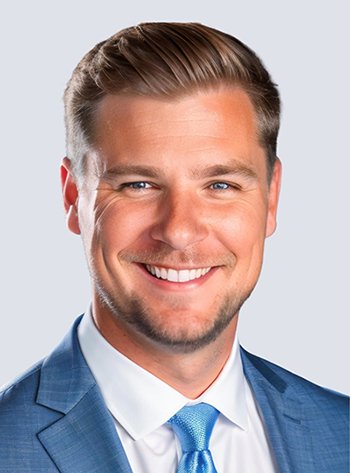
Brock brings a wealth of expertise honed through his academic journey Brock graduated from the University of Alabama earning his degree in Exercise and Sports Science, and continued to get his Doctor of Chiropractic degree from Palmer College of Chiropractic Florida. He specializes in athletic performance enhancement, injury prevention, and recovery. His career is fueled by a deep-seated passion for guiding individuals toward their health objectives and enhancing their overall quality of life. Through personalized exercise regimens, tailored nutrition strategies, and a commitment to optimizing wellness, Brock empowers our clients to achieve their goals and thrive in their pursuit of peak health and vitality.
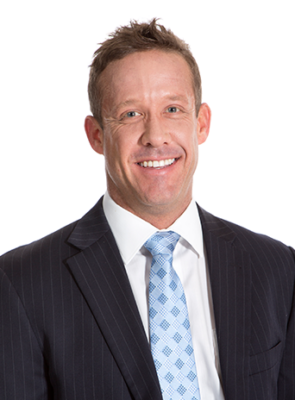
Bradley has managed Cenegenics Jacksonville’s day-to-day practice administration since it was formed in 2004. He holds a Juris Doctorate degree in business law and an MBA from the University of Florida. Bradley is a Jacksonville native and is passionate about preventative medicine and cutting-edge science.
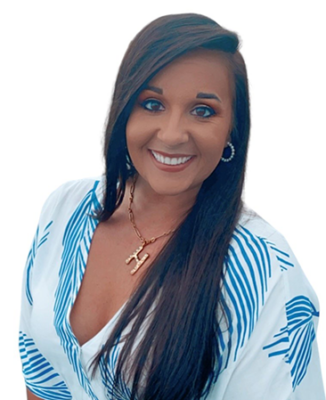
Hayley is the heartbeat of the practice, where she serves as Patient Service Coordinator and right hand to Dr. Eye. Hayley oversees all the day-to-day lab, medication, and appointment needs of Cenegenics Jacksonville patients. She has a calm, friendly demeanor, is exceptionally competent, and has excellent service skills. Hayley holds a Bachelor’s degree in Psychology from Troy University.

Breakthrough a lack of motivation and take control of your day fully energized.

Reverse a slow and steady weight gain and return to your optimal body composition.

Ignite your desire for intimacy, and turn around diminishing sexual performance.

Renew clarity, “feel like yourself again” and overcome memory lapses or forgetfulness.

Enjoy sleeping through the night again wake refreshed.

Achieve your peak mental and physical state that will help you successfully manage and control stress in your life
I did not want to go another day being overweight – truly obese, out of shape, and likely to die before I turned 70. I wanted to see my daughters grow into their lives. I wanted my wife to be proud of my physical shape. I needed to be proud of myself for dropping the weight and finally living healthy again. I was under the impression that working harder was going to make the difference. But, I was still buying bigger and bigger size pants. I was 60 years old, HUGE, and getting HUGER! So, I started to do the research. I found the Cenegenics site and it resonated with me. The fact that it was administered and led by a medical doctor was critically important.
The hardest part in the beginning is confronting how out of shape I was. I decided from day one I was going to stick to the Cenegenics plan, and I believe this was the key to my success. While it was hard, it was never too hard. I never stopped or quit. At every moment I was supported by a team of professionals who knew the path I was on and knew exactly how to guide me down this path that had eluded me for so long.
Physically, I’m a different man than I was 10 months ago. I look long and lean now. All my clothes fit or are too big now. The pride I have for doing this for myself is profound and deeply meaningful. I’m successful because I turned off my desire to control the process and left it up to the experts to provide me with a plan and a protocol that works. I’m so happy with the results, in hindsight, it seems almost simple and easy.
If you follow this program for a year, you will be in the best shape of your life. Your success is inevitable.

Excellent program and staff. The results were impressive and Support was readily available throughout the process. Highly recommend.
Great customer experience. Knowledgeable staff.
I needed a “rebirth” of my life and health at 60 years of age. I’m retired and need to get in shape and have a great frame of mind to improve the negative medical history I have. I’m ready and willing to put in the work! Cenegenics has given me a chance at that!
Awesome team at Cenegenics. The most knowledgeable Doctor Eye & Physical Trainer Jamie I have ever experienced.
Request a free, 10-minute call to
learn more about the program